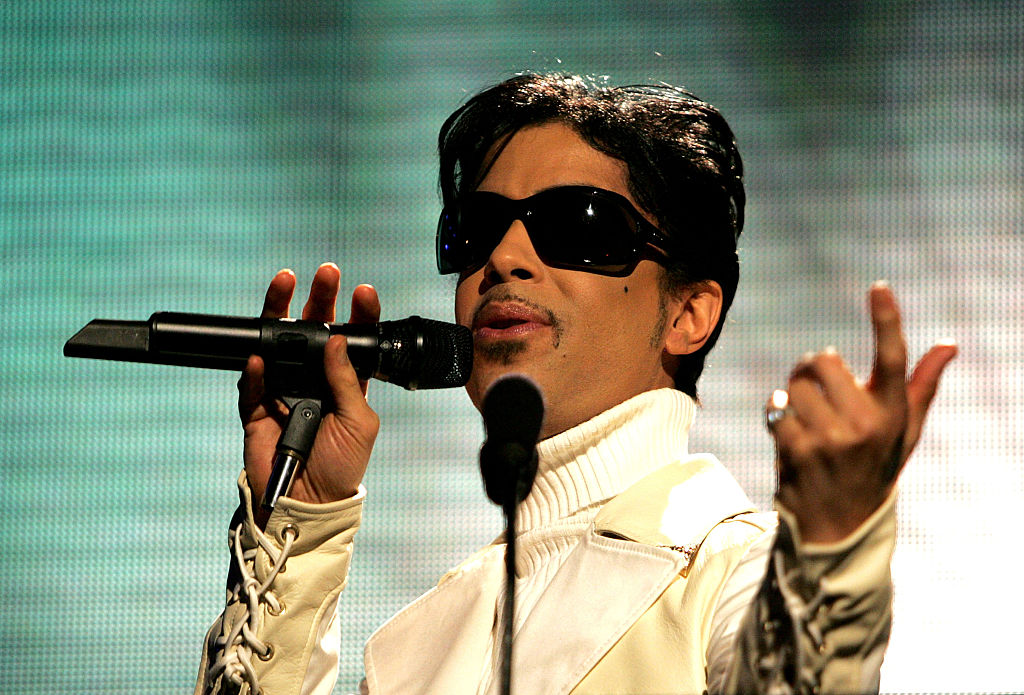
Prince's faith deeply influenced his creative expression, blending gospel and theology with popular music.
His songs invited listeners to party and pray, celebrating diverse spirituality and community resilience.
Prince's spiritual soundscape left a lasting legacy, guiding an inclusive journey toward love and liberation.
Source: F. Micelotta / Getty
Ten years ago, on April 21, 2016, the world lost a musical giant. Prince Rogers Nelson redefined the boundaries of art, fashion, and sound. For our community, he represented unapologetic freedom. He empowered voices, celebrated diversity, and challenged us to look beyond the surface of everyday life.
While many remember Prince for his electrifying performances and sensual anthems, a deep current of faith ran through his catalog. He masterfully blended the sacred and the secular. His music invited us to party, but it also invited us to pray.
Understanding Prince means understanding his search for divine connection. He rooted his artistry in spiritual exploration, drawing heavily from the rich gospel and theological traditions that resonate deeply within Black culture. Through his lyrics, he sought answers, offered redemption, and pushed for a more inclusive journey toward salvation.
To commemorate a decade since his passing, let us explore some of Prince’s most spiritual songs. These tracks highlight how he used his platform to connect with a higher power and uplift our community.
A Journey Through Prince’s Spiritual Soundscape
“I Would Die 4 U” (Purple Rain, 1984)
At first listen, this uptempo dance track feels like a straightforward love song. However, the lyrics reveal a profound message about divine sacrifice. Prince sings from the perspective of a Christ-like figure, promising unconditional love and protection. By declaring, “I’m not a woman, I’m not a man, I am something that you’ll never understand,” he strips away earthly constraints. He creates an inclusive vision of divine love that transcends human limitations.
“The Cross” (Sign o’ the Times, 1987)
This acoustic-driven track builds into a roaring rock anthem, delivering one of Prince’s most direct messages of faith. “The Cross” tackles themes of earthly suffering, poverty, and systemic struggles. It offers hope and redemption to a weary world. He reminds listeners that despite the hardships we face in our communities, spiritual deliverance awaits. It stands as a powerful testament to resilience and unwavering faith.
“Anna Stesia” (Lovesexy, 1988)
Prince wrote “Anna Stesia” during a period of intense personal and spiritual transition. The song acts as a musical confession. He acknowledges his flaws, expresses deep loneliness, and ultimately surrenders to God. The sweeping chorus, “Love is God, God is love, girls and boys, love God above,” serves as a joyous mantra. It perfectly captures his belief that spiritual love remains the ultimate cure for our earthly isolation.
“Let’s Go Crazy” (Purple Rain, 1984)
You might know it as the ultimate party starter, but “Let’s Go Crazy” opens with a literal sermon. Prince gathers us to navigate “this thing called life.” He introduces the “de-elevator,” a metaphor for the devil or negative forces trying to bring us down. The song encourages us to celebrate life, maintain our joy, and fight against darkness. It is a culturally connected anthem of survival and triumph.
“Still Would Stand All Time” (Graffiti Bridge, 1990)
A standout from the “Graffiti Bridge” soundtrack, “Still Would Stand All Time” is Prince at his most soulful and reflective. Rooted in gospel tradition, the song feels like a heartfelt prayer, offering hope and healing in the face of life’s struggles. Prince’s soaring vocals and the uplifting choir remind us that, no matter what hardships we endure, love and faith remain unshakable forces in our lives. The track invites us to find unity and resilience as a community, celebrating the power of spirit to overcome adversity.
“7” (Love Symbol Album, 1992)
Filled with rich acoustic guitars and layered harmonies, “7” leans into mystical and biblical imagery. The song references the Book of Revelation, speaking of the destruction of evil and the dawn of a new, peaceful world. Prince envisions a united community overcoming oppressive forces. It serves as a call for solidarity, empowering us to rise above societal barriers and embrace a shared, spiritually awakened future.
“Way Back Home” (Art Official Age, 2014)
Released toward the end of his life, “Way Back Home” feels like an introspective prayer. Prince reflects on feeling like an outsider on Earth, yearning for his true spiritual home. The song is delicate, honest, and profoundly moving. It reminds us that our earthly journey is temporary, and true peace comes from returning to our spiritual center.
Ten years after his transition, Prince’s music continues to heal, inspire, and unite. He never shied away from his faith, proving that you can be culturally relevant, wildly creative, and spiritually grounded all at once. He left us a blueprint for expressing our full selves.
Prince showed us that the dance floor and the sanctuary do not have to be separate places. Through his expansive catalog, he continues to lead an inclusive journey toward love and liberation. We honor his memory by keeping that spirit alive in our own lives and within our community.