Speeding remains one of the biggest challenges in traffic safety

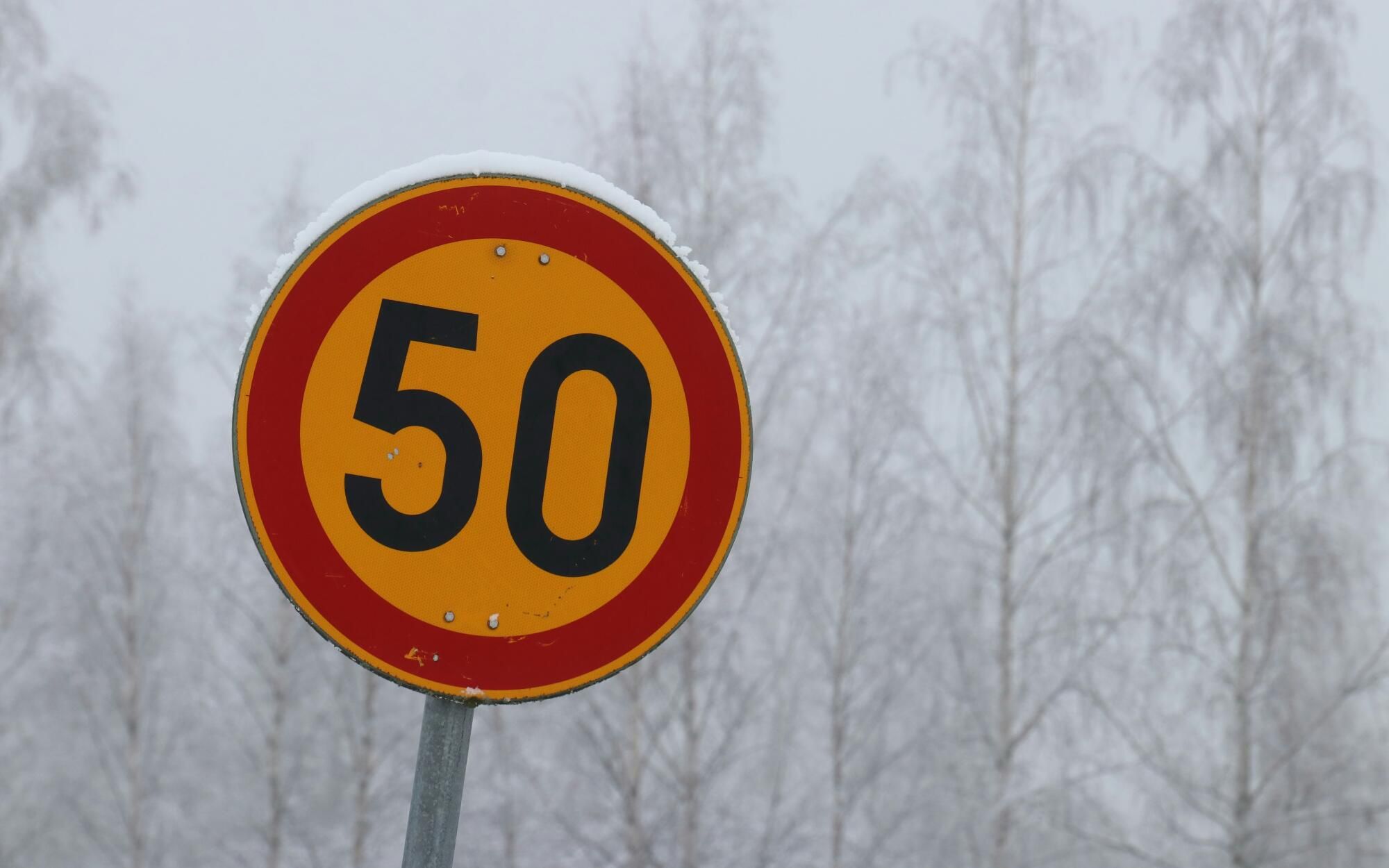
Modern vehicles mask the danger, everyday time pressure justifies the risk, and the consequences stay invisible until they are not, which is why speeding remains one of the hardest driving behaviors to change.
Speeding is illegal on every road in the country, and it was a factor in 29% of all traffic deaths in 2024, killing 11,288 people, according to National Safety Council analysis of NHTSA data. The numbers have barely moved in decades.
The problem is not that people don’t know speeding is a traffic safety hazard. Most do. It’s that the behavior feels low-risk in the moment, the consequences feel distant, and the habit is deeply ingrained across the driving culture.
Every year the toll climbs again, measured in crashes, injuries, and people who did not come home.
Modern Vehicles Make Speed Feel Less Dangerous
A car traveling at 90 miles an hour in 1985 felt like 90. The engine was loud, the road noise was constant, and the vibration made the speed feel real. Modern vehicles have engineered most of that feedback out.
Today’s quiet cabins, smooth rides, and driver-assist features create a false sense of security about how much margin actually exists. Lane-keeping and automatic braking feel like a safety net, and in some ways they are.
Physics did not change with the car. High-speed crashes still kill, and no cabin refinement changes that.
Drivers Continue to Underestimate the Risks
Speeding rarely feels dangerous in the moment, which is why most drivers who do it consider themselves safe. Nothing bad usually happens, the driver behavior gets reinforced, and the habit deepens.
A vehicle traveling at 60 mph needs roughly 180 feet to stop. At 80 mph, that distance nearly doubles. A pedestrian struck at 40 mph is far more likely to survive than one struck at 60. Running late feels like a reason to push the speed, but the two minutes saved are not worth the margin lost.
Everyday Time Pressures Encourage Speeding
The most common reason drivers give for speeding is being late, and it is almost always a bad trade. A 10-mile drive at 80 mph instead of 65 saves less than two minutes. The risk taken for that margin is real; the time saved barely is.
The pressures that push people to speed:
- Morning commutes with no buffer built in
- Pickups, drop-offs, and back-to-back appointments
- Work deadlines that follow drivers into the car
- The general sense that time is always running short
Leaving five minutes earlier solves what speeding cannot.
When a Speeding Crash Has Legal Consequences
A crash caused by a speeding driver is not just a traffic matter. When someone is seriously injured, the legal and financial consequences can follow for years.
Speeding establishes negligence, which is the foundation of a personal injury claim. A driver who exceeded the posted limit and caused harm has a harder time arguing they were not at fault, and the victims of those crashes have legal options that many do not pursue because they do not know they exist.
Trusted injury lawyers help injured victims understand what they are entitled to, preserve the evidence that proves fault, and navigate a process the other side knows far better than most people do.
The Traffic Safety Crisis Persists Because Speeding Does
Traffic safety does not improve until the behavior behind most crashes does, and speeding remains the behavior that most drivers rationalize most easily. Slow down, leave earlier, and understand that the minutes saved are not worth what a serious crash costs, for you or for anyone else on the road.
Catch more on life, culture, and the topics that matter at themorninghustle.com!