WNBA CBA Negotiations: A Breakdown Of What's Really Going On
A Breakdown Of What’s Really Going On With The WNBA’s CBA

- WNBA players demand a fair share of the league's revenue and improved benefits, challenging the status quo.
- The outcome of these CBA talks will impact the power dynamic and long-term sustainability of women's professional basketball.
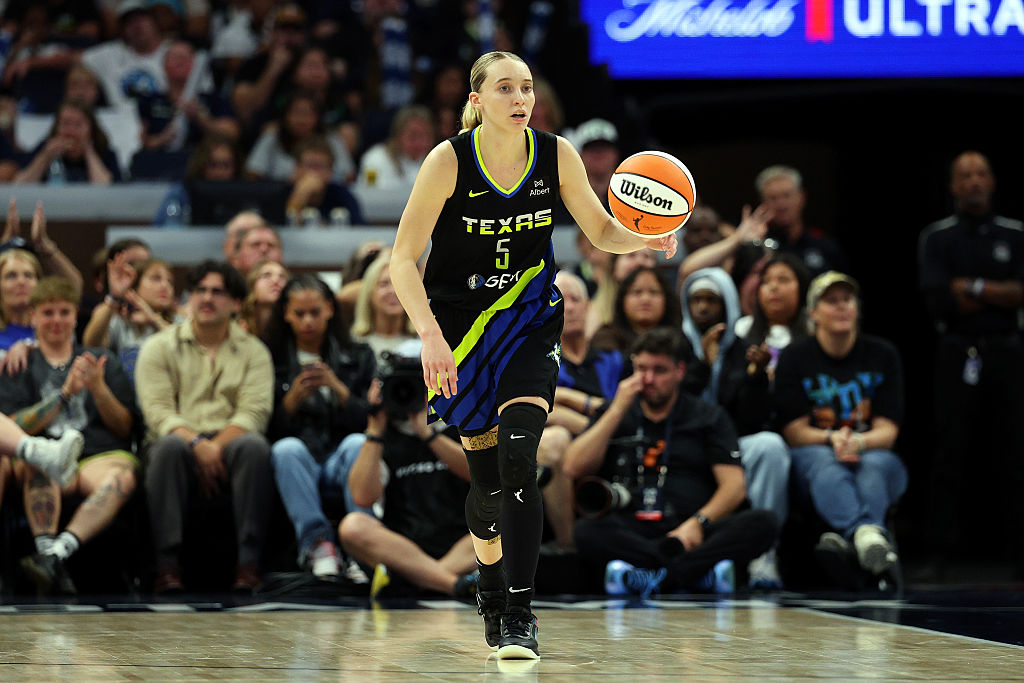
Right now, the WNBA is in one of the most tense labor moments in its history — and if you blinked, you might’ve missed just how big this moment really is. After opting out of their previous Collective Bargaining Agreement (CBA) over a year ago, players and league officials have been trading proposals, counterproposals, and deadlines for nearly 17 months, trying to get a new deal done before a looming March 10th deadline that could jeopardize the start of the 2026 season. What started as a routine negotiation has become one of the most-watched moments in women’s sports. Because the stakes aren’t just dollars and cents, they’re about respect, legacy, and control over a league that’s finally booming.
So how did we get here? After historic growth in viewership, attendance, and investment — with records broken and eyes on stars like Caitlin Clark, Paige Bueckers, Aliyah Boston, and others — the players’ union felt clear: the current CBA was cutting it anymore. They opted out of the old deal in late 2024, opening the door for a new agreement that could push pay, revenue sharing, housing benefits, and workplace conditions way further than ever before. But the business side of the league pushed back — and now both sides are at a high-stakes crossroads.
Why does this CBA matter so much? Because, unlike in the NBA or other major pro leagues, WNBA players have historically not gotten a fair share of the wealth they help generate. Right now, average salaries are still a fraction of what players in other leagues make — and housing, travel, and travel-day benefits have been inconsistent or on the chopping block in newer proposals. The union’s big ask: a share of gross revenue — meaning players would get a set percentage of all money coming in before expenses are deducted. That’s a game-changer financially and philosophically. The league’s most recent offer, by contrast, leans toward net revenue sharing (what’s left after expenses), which can shift a lot of money away from players depending on accounting.
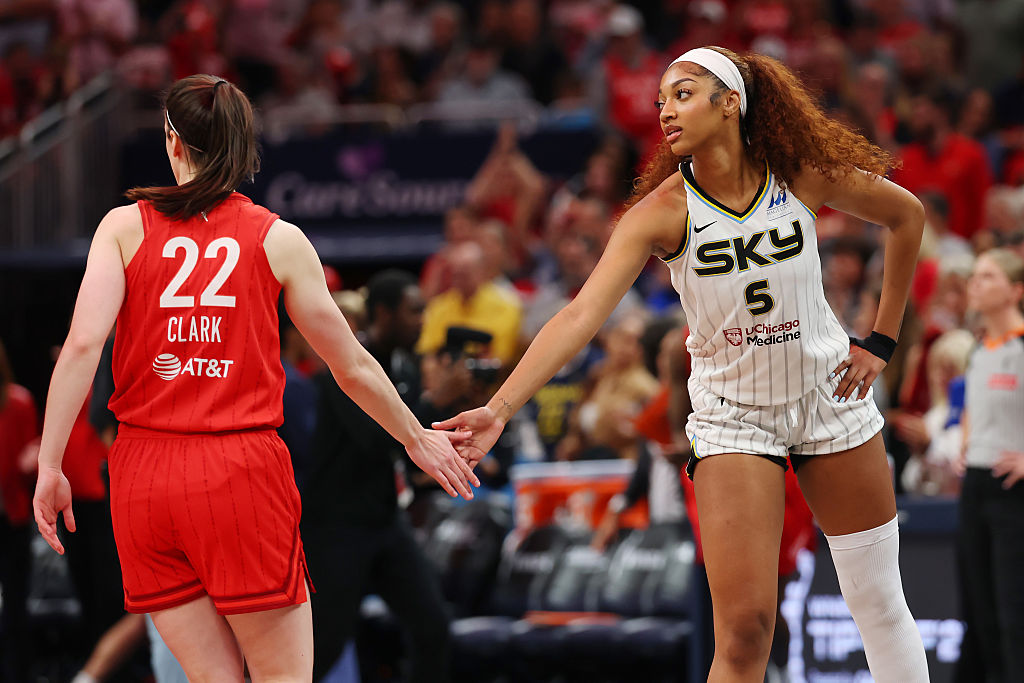
One of the most controversial elements is how the new deal treats pay scales across the roster. The league’s latest offer would massively raise the salary cap (from roughly $1.5M last year to $5.75M in Year 1 and up to $8.5M by Year 6) and bump max and average salaries significantly — giving stars like Clark and Bueckers a chance to hit superstar money earlier in their careers. But many players — especially those in the “middle class” of the roster — say that even if top pay is rising, the deal still leaves role players behind, especially if housing benefits are limited. The tension is real: some players would walk into Unrivaled or media scrums to talk about progress, while others are openly frustrated that the league still hasn’t fully valued what they bring.
And then there’s Unrivaled — the players-run 3-on-3 league that’s become a cultural force and negotiation backdrop. Many players are in Brooklyn for the Unirvaled playoffs right now, and union leaders like Kelsey Plum and Breanna Stewart (who will face off against each other in the Unrivaled championship game in Miami) have used that platform to signal unity and leverage momentum. Some analysts see Unrivaled as a real tool in bargaining — showing that players have other avenues to showcase value and community support. Fans at Unrivaled games have literally been chanting for fair pay and support for WNBA players, underscoring how this fight isn’t happening in a vacuum — it’s being watched, supported, and amplified by a growing, passionate fanbase.
The arguments from both sides aren’t just dollars and cents — they’re about power, respect, and the future of women’s pro hoops. The league wants sustainability and isn’t keen on a deal it sees as financially risky; the players want equity, security, and a cut that reflects the league’s growth and cultural relevance. Some stars — especially the veterans — have discussed strike authorization, while others say they want to keep talks going without a work stoppage because they love playing basketball. That mix of unity and subtle division makes this moment unpredictable — but also very human.
Where do fans stand? Honestly, most people are with the players. Social feeds, Unrivaled arenas, and fan communities are blasting support for fair pay, better revenue sharing, and a CBA that treats players like the value drivers they are. That energy matters. It’s one thing to negotiate in a boardroom — it’s another to feel like the people showing up to fill seats and watch games are backing your fight.
At the end of the day, this isn’t just another contract negotiation — it’s a turning point. If this deal aligns more closely with the players’ vision, it could reshape the WNBA’s economic model forever. If it leans too far toward ownership’s comfort zone, it could leave lasting scars in trust and slow the league’s momentum. Either way, the March 10th deadline isn’t just about avoiding a delayed season — it’s about deciding what women’s basketball truly values, and who gets paid what for building it. That’s a story fans, players, and the whole sports world are watching closely.
RELATED: Falcons’ James Pearce Jr. Arrested After Domestic Dispute With WNBA Star Ex Rickea Jackson
A Breakdown Of What’s Really Going On With The WNBA’s CBA was originally published on cassiuslife.com