How international artists are changing the sound of hip-hop

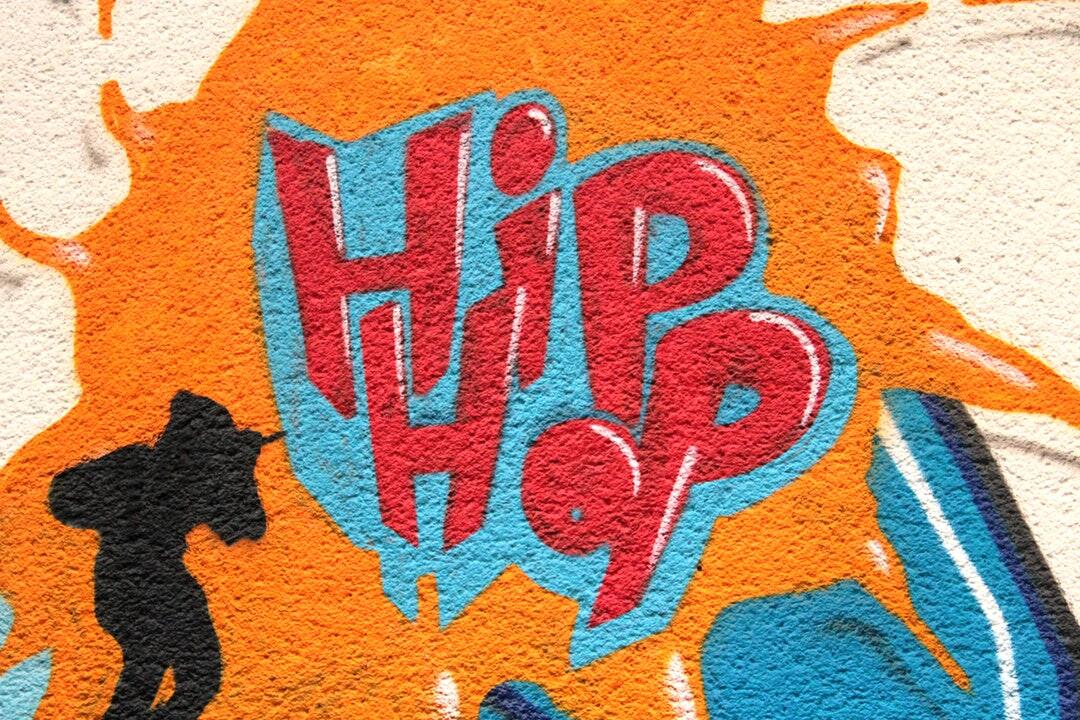
International artists around the world contribute to the changes in hip-hop through the incorporation of local rhythms and languages. In addition, these musicians transform regional rap sounds into global ones.
According to the IFPI Global Music Report 2026, recorded music revenue in Sub-Saharan Africa increased by 15.2 percent in 2025 to $120 million. The change in income indicates a shift in whose voice is being heard.
Now, a hip-hop fan can find out a song produced in Accra just as quickly as one from Atlanta. Access allows the genre to flourish since it is no longer tied to any specific geographical locations. Videos also enable fans to pick up new dance moves and flows of an unfamiliar genre in their daily lives.
How International Artists Are Expanding Hip-Hop
Hip-hop was born in New York, but its fundamental elements could be easily transferred beyond borders. Through the use of beats and rhymes, artists in hip-hop were able to describe their own street life.
Such freedom ensured the development of global impact. The new scenes would adopt the format of rap music while changing the tempo and tone. New voices would provide the listeners with a new interpretation of rap.
African Rhythms Give Rap a New Pulse
Hiplife from Ghana is a bright example of such development of the genre since it mixes rap with highlife rhythms and drumming. According to the Recording Academy, the style was born in Accra after American hip-hop got into the city in the early 1990s.
Global Music Collaboration Changes the Beat
Global music collaboration allows two different musical cultures to be presented in one track. The British drill rhythm is combined with the vocals of Caribbean culture.
This interaction has a global influence on the formation of international music trends by means of innovation in rhythms and song compositions. After that, the fans spread them in clubs and on social media.
UK Drill Shows How Sounds Travel
UK drill music has arisen as a result of borrowing some features of British road rap, but Chicago drill was also an inspiration for this music genre. London producers added sliding bass and sparse beats to the original drill sounds.
Thanks to Central Cee, the genre found a way into the hearts of Americans. In 2026, Spotify listed this London-based rapper among possible leaders of hip-hop’s next generation. That shows how far a local sound can move.
Crossing Borders Can Require More Than Talent
Touring and recording in the biggest music markets become necessary for the international career of an artist. Before performing in the United States, it is important to receive the right to work there. An O-1 immigration lawyer can help eligible performers understand the visa process.
This is the kind of practical support needed for successful global collaboration. When an artist can go to the studio and perform live, the creative cooperation gets chances to flourish.
What This Means for Hip-Hop Evolution
The next phase of hip-hop evolution does not emerge in one city but develops through the collaboration of various local scenes. Thanks to streaming, the scene can reach new audiences.
Hip-hop changes due to international artists because they have their own history and rhythm, which makes the genre diverse. Keep exploring our website for more trending news and music.