How an aging population is reshaping nursing home care

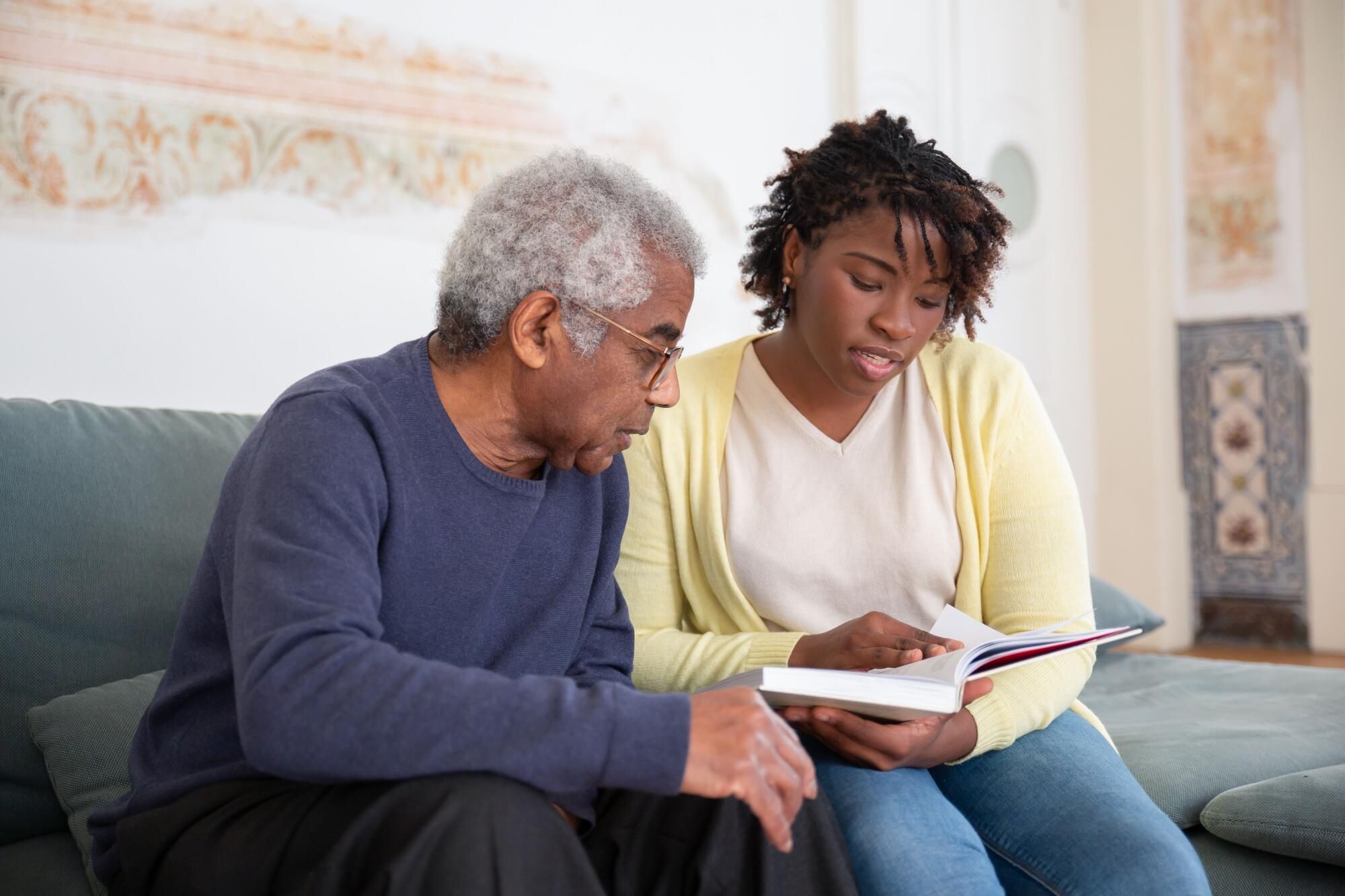
An aging population is driving major changes in nursing home care, from person-centered approaches and expanded memory programs to smarter technology and stronger legal protections for residents and families.
What happens to a family when an aging parent can no longer live independently?
Nearly 70% of Americans aged 65 and older will require some form of long-term care during their lifetime, according to the U.S. Department of Health and Human Services, as reported by CBS News.
Nursing homes are absorbing the front edge of that demand right now, and the pressure on staffing, capacity, and quality of care is changing in ways that affect every family with an aging parent.
Person-Centered Care Is Replacing One-Size-Fits-All Approaches
Senior living used to run on the facility’s schedule, not the resident’s. Meals at set times, shared routines, and care plans written around staff availability left residents with very little say in how their own days looked.
More facilities now build care around the person, accounting for dietary preferences, cultural background, daily habits, and the level of independence each resident can maintain. A personalized care plan produces better outcomes and better quality of life than one designed around a staffing schedule.
Memory Care Is Becoming a Larger Part of Long-Term Care
Nearly 50% of nursing home residents live with some form of cognitive impairment, and that share is growing, according to Senior Housing News.
Among the most important geriatric care improvements of recent years is the move toward dedicated memory programs, with purpose-designed environments, staff trained in dementia communication, structured routines, and family education woven into the care model.
Dementia care requires a fundamentally different approach, not just a different wing of the same building.
Technology Is Transforming Daily Care
Sensors, smart systems, and connected health platforms are changing how facilities watch over residents and respond when something changes. These elder care strategies are letting staff focus on direct care while technology handles what doesn’t require a person in the room.
What technology is doing inside nursing homes now:
- Remote monitoring that tracks vitals, movement, and sleep patterns without disrupting rest
- Fall detection systems that alert staff in real time
- Electronic health records that give every care team member the same current picture
- Medication management systems that reduce dosing errors
When Care Falls Short, Residents and Families Have Rights
Well-run facilities make mistakes, and not every facility is well-run. Nursing home injuries from understaffing, medication errors, and neglect are documented problems across the country, and residents are among the most vulnerable people in any care setting.
Federal and state law give nursing home residents the right to be free from abuse and neglect, to receive dignified care, and to raise concerns without retaliation. When those rights are violated, families have legal options.
Parker Waichman injury firm helps families understand what happened, what rights were violated, and what accountability looks like when a facility’s negligence caused harm.
An Aging Population Is Rebuilding Nursing Home Care
The pressure of an aging population is forcing long-term care to adapt faster than it ever has. Better technology, more personalized approaches, and stronger legal protections are all part of that change. Families navigating this system deserve to understand both what good care looks like and what to do when it falls short.
Read more on the issues that affect family life on our website.